
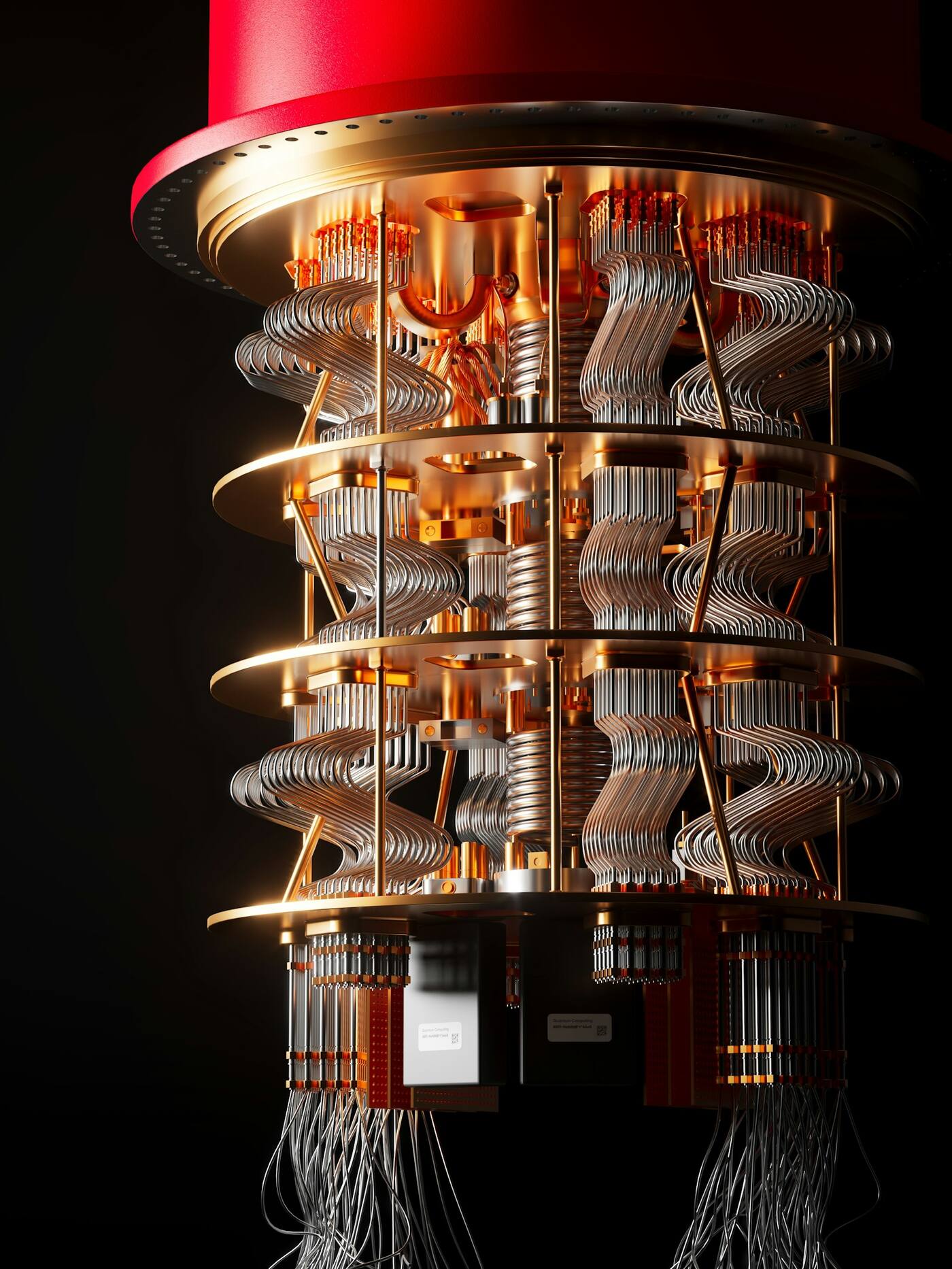
On August 4, 2026, the National AI Directorate in the Prime Minister's Office and the Accountant General at the Ministry of Finance jointly published Project Nexus — a tender to build a national quantum computer, just two weeks after the launch of a similar initiative.
Three Tracks in Parallel
- A tender to build a dedicated quantum computer for state needs, on a long-term track with international companies.
- R&D infrastructure that will give industry and academia access to advanced quantum computing power, integrating at least three different quantum technologies for evaluation and application development.
- A national testbed for "physical artificial intelligence" — a proposed global center for authentic simulations in robotics, medicine and agriculture.
And Why Model Sovereignty Too
At the same time, the government is examining establishing Israeli sovereignty in foundation models — that is, local capability versus dependence on tools like ChatGPT and Gemini. It is a strategic question that goes beyond physical infrastructure and concerns control over the technology itself.
The Link to Government Decision 4255
Project Nexus is a direct continuation of Government Decision 4255 from June 2026, which dealt with accelerating artificial intelligence in Israel. In parallel, a bill is advancing in the Knesset that recognizes AI server farms as national infrastructure: an entry threshold of 50 megawatts, a fast-track planning route through the National Infrastructure Committee, a cap of up to 10 projects per year at the national level, and incentives for projects in peripheral areas outside the Tel Aviv metropolitan area.
Together, the two moves paint a picture of a country trying to secure both computing power and a physical place to run it — before global demand for AI outstrips local capacity to supply it.
What This Means for Your Organization
- If you are considering where to host heavy AI workloads in the future — follow the actual publication of the tender and its exact timeline. A national quantum computer and R&D infrastructure with access to several quantum technologies in parallel are currently a clear policy direction, not an available capability you can order — and that difference is critical for any infrastructure planning.
- The new law recognizing server farms as national infrastructure — with an entry threshold of 50 megawatts, a fast-track planning route through the National Infrastructure Committee, and explicit incentives for projects in peripheral areas — may in the medium term open up new local hosting providers. It is worth following its progress in the Knesset before committing for years ahead to an existing provider.
- The review the Israeli government is advancing around "model sovereignty" — local capability versus dependence on tools like ChatGPT and Gemini — is exactly the question every Israeli organization should be asking itself now, regardless of what the state decides: how many of your critical processes depend on a single provider abroad, and what actually happens if access to it is disrupted for a day or a week.
- There are still no detailed budget figures or a binding timeline for the project itself — this is a stage of policy direction and initial tender publication, not a capability you can order tomorrow morning. Treat it as a strategic direction worth following over the coming quarters, not as infrastructure you can already build a concrete work plan on.
- Organizations in robotics, medicine and agriculture should pay particular attention to the planned national testbed for "physical artificial intelligence" — it is a potential opportunity for R&D collaboration with government bodies and academia, on a scale that did not previously exist in Israel.
Sources
- Prime Minister's Office — Joint announcement by the National AI Directorate and the Accountant General
- Calcalist — Israel enters the quantum race: the National AI Directorate advances a national quantum computer
- TheMarker — Project Nexus: the state published a tender to build a national quantum computer